In modern electrical engineering, electric motors serve as vital devices for converting electrical energy into mechanical power, widely used across industries and daily life. Yet, many electricians and technicians remain puzzled about the relationship between motors and capacitors. What exactly links these two components? And what roles do capacitors play in motor protection, startup, and operation?
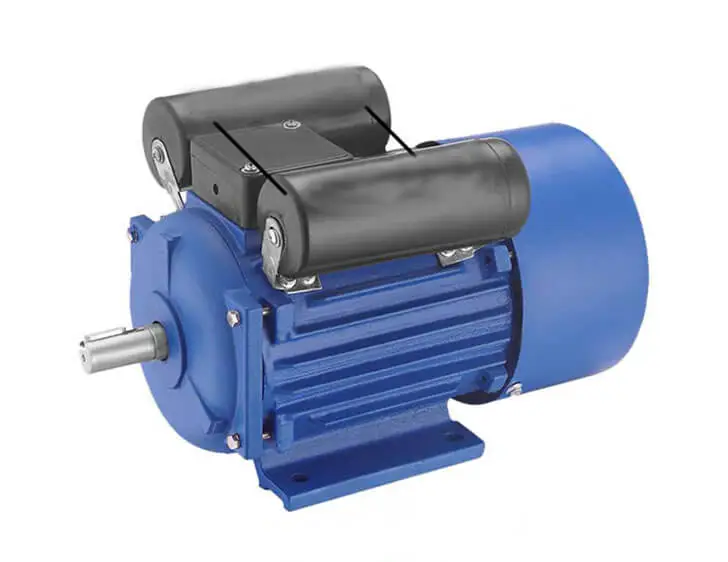
Electric Motor: Converts electrical energy to mechanical motion.
Capacitor: Stores and releases electrical energy via charge accumulation in an electric field.
In AC systems, capacitors are often used for:
✔ Power factor correction
✔ Noise filtering
✔ Transient response improvement
For single-phase motors, capacitors are indispensable—enabling startup and efficient operation.
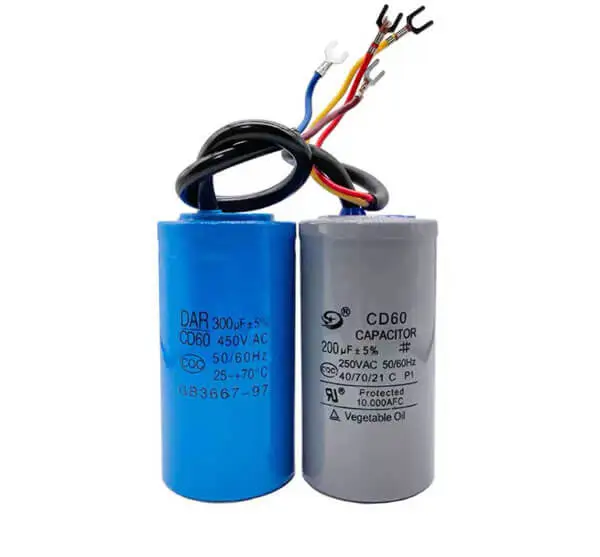
Purpose: Boosts starting torque in single-phase induction motors.
How it works: Creates a phase shift to increase initial current, helping the rotor overcome inertia.
Key feature: Automatically disconnects after startup (via centrifugal switch or relay).
Purpose: Maintains motor efficiency and power factor during operation.
How it works: Continuously provides phase compensation for smoother performance under load.
Key feature: Remains connected throughout the motor’s operation.
✅ Capacitor Selection
• Starting capacitor: 70–100% of motor’s rated power (e.g., 100 µF for a 1 HP motor).
• Running capacitor: Sized based on motor efficiency/power factor (typically 10–50 µF).
✅ Wiring Configurations
• Star (Y) connection: Common for most single-phase motors.
• Delta (Δ) connection: Used in specialized motors.
• Polarity matters: Electrolytic capacitors (for DC) must be wired correctly to avoid explosions.
✅ Maintenance
• Regularly check for:
Bulging/leaking (signs of failure)
Capacitance drift (use a multimeter)
• Replace every 5–7 years (even if no visible damage).
⚠ Mixing Up Capacitor Types
Using a running capacitor for startup (or vice versa) causes poor torque or overheating.
⚠ Ignoring Capacitor Aging
Dielectric degradation reduces capacitance by ~5%/year—leading to inefficient operation.
⚠ Reversing Polarity
DC capacitors wired backward may vent electrolyte or rupture.
⚠ Oversizing Capacitors
Excessive capacitance increases winding current → motor burnout.
♦ For Single-Phase Motors:
Combine start + run capacitors for heavy loads (e.g., air compressors).
♦ For Noise Reduction:
Add a 0.1 µF ceramic capacitor across motor terminals to suppress EMI.
♦ Troubleshooting:
Motor hums but won’t start? → Test the starting capacitor.
Overheating? → Check running capacitor’s ESR (equivalent series resistance).
Mastering motor-capacitor interactions unlocks:
✅ Reliable startups (even under load)
✅ Energy savings (via power factor correction)
✅ Extended motor life
Got a tricky motor-capacitor setup? Share your specs below for tailored advice!

