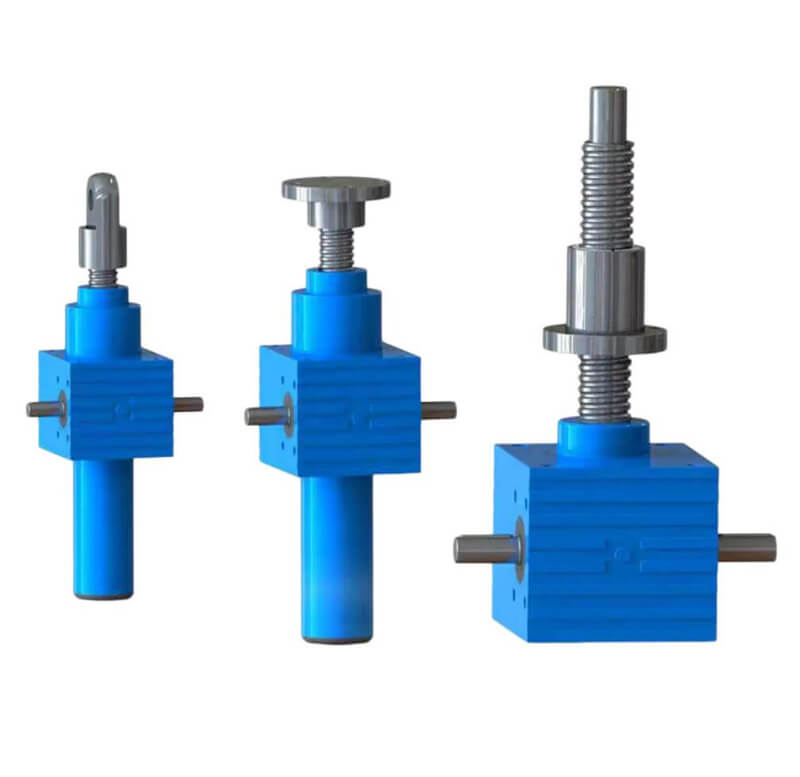
An electric linear actuator is a device that converts rotational energy into linear motion. It is commonly used in various applications such as automation, robotics, and adjustable furniture.
Electric linear actuators work by utilizing a motor to drive a screw or similar mechanism. This movement generates linear motion, allowing for precise control over the actuator's position.
Begin by outlining your requirements including load, speed, and stroke length. This will help in selecting the right actuator model.
Choose a linear actuator that meets your specifications. Consider factors such as load capacity, travel distance, and power supply type.
Follow these guidelines for assembly:
Connect the actuator to the power source utilizing proper wiring techniques. Make sure to use wire strippers and follow electrical safety protocols.
Power on the system and conduct tests to ensure that the actuator extends and retracts correctly. Adjust settings as needed for precision movement.
Ensure you assess the load capacity accurately before selecting an actuator. Misjudging can lead to actuator damage.
Follow the assembly instructions closely to prevent improper functioning. Double-check connections and placements.
Always integrate limit switches and protective features to avoid accidents during operation.
Understanding how electric linear actuators work can greatly enhance their application in various fields. By following the steps outlined and avoiding common mistakes, you can successfully implement an efficient actuator system in your projects. For quality linear actuators, consider Power Jack Motion for your next endeavor.