In today's industrial landscape, Industrial Electric Motors have become essential components driving machinery efficiency and innovation. With growing concerns about energy consumption and sustainability, the demand for high-performance electric motors is greater than ever. These motors are pivotal in applications ranging from manufacturing to transportation and even renewable energy systems. Unfortunately, many businesses face challenges such as high operational costs and equipment reliability that hinder progress. Understanding the various types of electric motors and their applications can help industries adapt and thrive in this competitive environment.
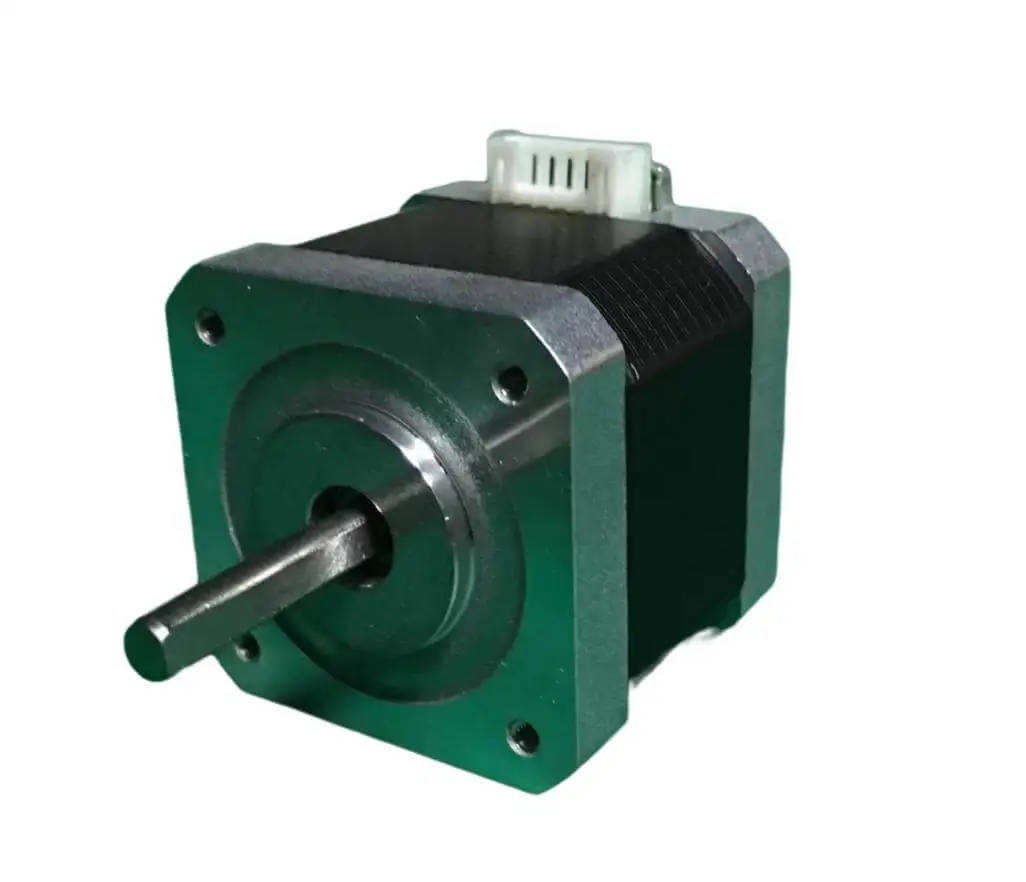
Industrial Electric Motors are devices that convert electrical energy into mechanical energy, enabling motion and operation in various applications. Common types include AC Motors, DC Motors, and Stepper Motors, each designed for specific uses. According to the National Electrical Manufacturers Association (NEMA), AC motors constitute approximately 95% of all industrial motors used globally due to their efficiency and scalability (source: NEMA). Understanding the terminology associated with these motors not only helps in selecting the right motor but also plays a crucial role in optimizing their integration within existing systems.
Industrial electric motors play a significant role in various fields:
In fact, a 2022 report by Allied Market Research indicates that the global industrial electric motor market is projected to reach $189.06 billion by 2028, driven by automation and energy efficiency trends (source: Allied Market Research).
The significance of Industrial Electric Motors lies in their ability to provide reliable, efficient power to critical applications. Here are some key advantages:
For instance, companies that have implemented high-efficiency electric motors have reported a reduction in energy consumption by approximately 30%, underscoring their importance in sustainable practices.
To leverage the benefits of Industrial Electric Motors, consider taking the following actions:
Q1: What types of industrial electric motors are available?
A1: The main types are AC Motors, DC Motors, and Stepper Motors, each suited for different applications based on their operation and control characteristics.
Q2: How can I select the right motor for my application?
A2: Consider factors such as torque requirements, speed control, energy efficiency, and compatibility with existing systems.
Q3: Are there benefits to upgrading older motors?
A3: Yes, upgrading to modern high-efficiency motors can lead to significant energy savings, reduced maintenance costs, and lower environmental impact.
In conclusion, Industrial Electric Motors are indispensable in today's technological landscape, bringing not only efficiency but also sustainability to various sectors. Learning about the different types of motors and their applications can help businesses optimize operations and reduce environmental impact. Don’t hesitate to explore further studies or trials to better understand how these innovations can drive your industry forward.
For more detailed information and personalized recommendations, consider reaching out to brands like Power Jack Motion for expert guidance.

