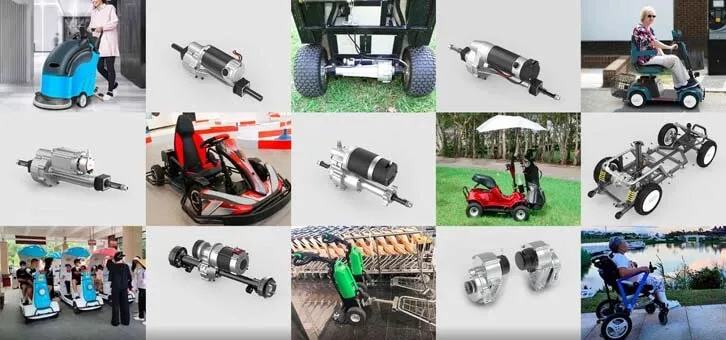
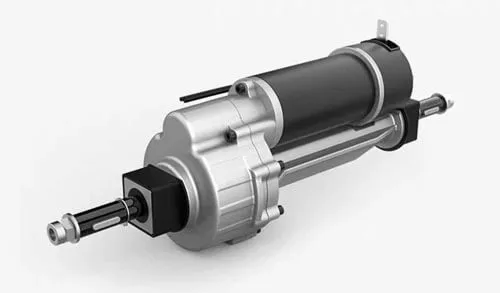
Designing an electric transaxle motor involves integrating an electric motor, gearbox, differential (if needed), and control electronics into a single compact unit. This system is widely used in electric vehicles (EVs), e-scooters, golf carts, and industrial machines. Below is a structured guide to designing an electric transaxle motor.
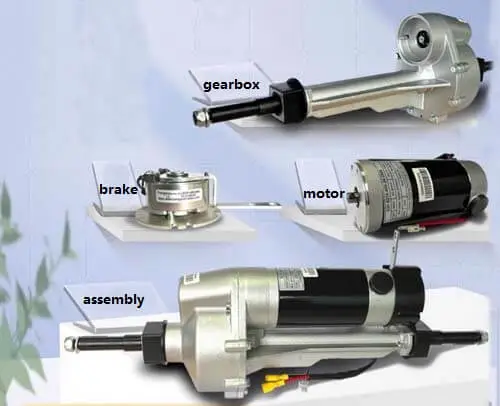
|
Component |
Function |
|
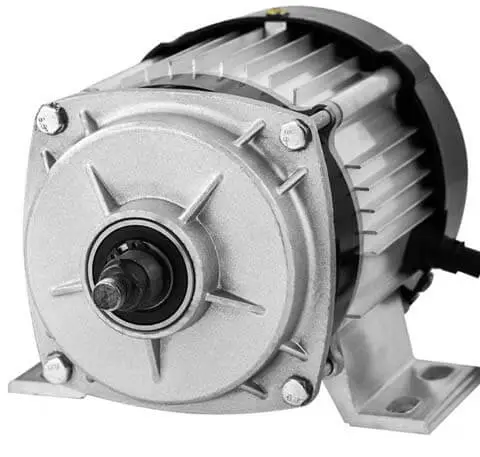
Electric Motor |
Provides rotational power (BLDC/PMSM preferred). |
|
Gearbox |
Adjusts speed/torque (planetary/helical gears common). |
|
Differential |
Distributes power to wheels (optional in some designs). |
|
Housing |
Encloses & protects components (aluminum/steel). |
|
Control Unit |
Manages motor speed, torque, and efficiency (MCU/ECU). |
|
Cooling System |
Prevents overheating (liquid/air cooling). |
A. Motor Types
|
Type |
Pros |
Cons |
Best For |
|
BLDC Motor |
High efficiency, long lifespan |
Needs controller |
Most EVs, e-scooters |
|
PMSM Motor |
Superior torque & efficiency |
Expensive |
High-performance EVs |
|
Induction Motor |
Robust, low cost |
Less efficient |
Industrial applications |
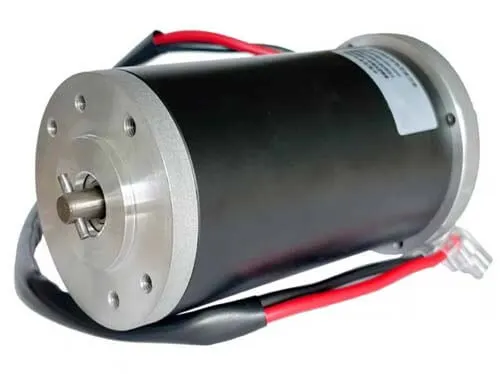
B. Key Motor Parameters
Power (kW) → Typically 0.6kW–200kW (depends on vehicle size).
Voltage (V) → 48V–800V (higher voltage = better efficiency).
Speed (RPM) → 3,000–15,000 RPM (geared down for wheels).
Torque (Nm) → 50–500 Nm (depends on gear ratio).
A. Gear Types
|
Type |
Advantages |
Disadvantages |
|
Planetary Gears |
Compact, high torque |
Complex manufacturing |
|
Helical Gears |
Quiet, efficient |
Lower torque than planetary |
|
Spur Gears |
Simple, cheap |
Noisy, less durable |
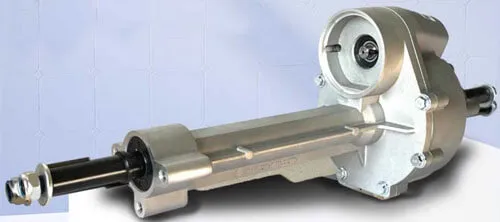
B. Gear Ratio Selection
High ratio (e.g., 10:1) → More torque, lower speed (good for heavy vehicles).
Low ratio (e.g., 5:1) → Higher speed, less torque (good for light EVs).
C. Differential Integration
Open Differential → Standard for most EVs.
Limited-Slip Differential (LSD) → Better traction (performance EVs).
No Differential → Used in single-wheel-drive systems (e-scooters).
A. Cooling Methods
Air Cooling → Simple, cheap (for low-power motors).
Liquid Cooling → Efficient, used in high-performance EVs.
Heat Sinks & Fans → Passive/active cooling for controllers.
B. Housing Material
Aluminum → Lightweight, good heat dissipation.
Steel → Stronger but heavier.
Composite Materials → Emerging trend (lightweight & durable).
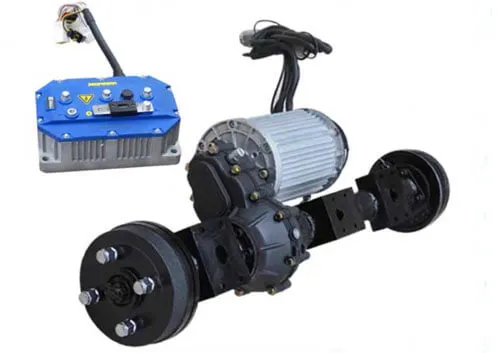
A. Motor Controller (ECU)
FOC (Field-Oriented Control) → Best for BLDC/PMSM motors.
PWM Modulation → Adjusts speed & torque efficiently.
Regenerative Braking → Recovers energy during deceleration.
B. Sensors & Feedback
Encoder/Resolver → Precise motor position tracking.
Temperature Sensors → Prevents overheating.
Torque Sensors → Optimizes power delivery.
|
Parameter |
E-Scooter |
Golf Cart |
Commercial EV |
|
Motor Type |
BLDC Hub |
BLDC |
PMSM |
|
Power (kW) |
1–5 kW |
5–15 kW |
50–200 kW |
|
Voltage (V) |
48V–72V |
72V–144V |
400V–800V |
|
Gear Ratio |
5:1–8:1 |
10:1–15:1 |
8:1–12:1 |
|
Cooling |
Air |
Air/Liquid |
Liquid |
|
Differential |
None |
Open Diff |
LSD/E-Diff |
♦ Motor & Gearbox Integration → Ensure precise alignment.
♦ Housing Machining → Use CNC for tight tolerances.
♦ Sealing → IP67+ for waterproofing (if outdoor use).
♦ Testing → Validate torque, efficiency, and cooling.
|
Challenge |
Solution |
|
Overheating |
Liquid cooling + thermal paste. |
|
Gear Noise |
Use helical/planetary gears. |
|
Weight |
Aluminum housing + composite materials. |
|
Efficiency Loss |
Optimize gear meshing & lubrication. |
Integrated E-Axles (Motor + Gearbox + Diff in one unit).
SiC/GaN Inverters → Higher efficiency & power density.
3D-Printed Gears → Lightweight & customizable.
Designing an electric transaxle motor requires balancing motor selection, gear ratio, cooling, and control electronics. A BLDC/PMSM motor with a planetary gearbox is ideal for most applications, while liquid cooling and advanced control algorithms enhance performance.
Would you like recommendations for specific motor controllers or gearbox suppliers? Contact with our engineer team now.

