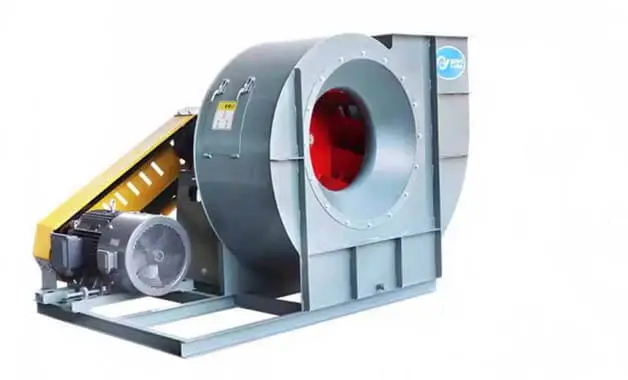
Electric Motors can be applied to various fans and blowers. In recent years, more and more customer want improved efficiency fan and blowers. As the motors are the heart of fan or blower, the efficiency of motor are extremely important. This guide will let you know which motor is suitable for your actual needs.
Industry-Specific Motor Specifications
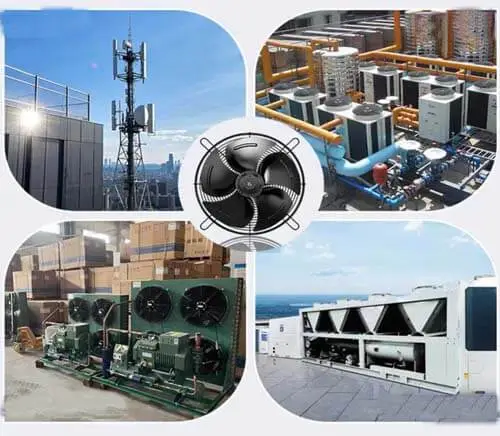
|
Application |
Motor Type |
Power Range |
Speed (RPM) |
Key Requirements |
|
HVAC Air Handling |
ECM/PMSM |
0.5-50HP |
600-3,600 |
High efficiency, variable speed |
|
Industrial Exhaust |
TEFC Induction |
5-500HP |
1,200-3,600 |
Heavy-duty, continuous operation |
|
Cleanroom Systems |
Brushless DC |
1-20HP |
800-5,000 |
Low vibration, precise control |
|
Cooling Towers |
Explosion-Proof |
10-200HP |
900-1,800 |
Corrosion resistance |
|
Data Center Cooling |
PMSM with VFD |
5-100HP |
1,800-3,600 |
Energy optimized, smart control |
A. Electronically Commutated (ECM)
Efficiency: IE4/IE5 (up to 92%)
Advantages: Built-in speed control, quiet operation
Typical Use: Commercial HVAC fans
B. Permanent Magnet Synchronous (PMSM)
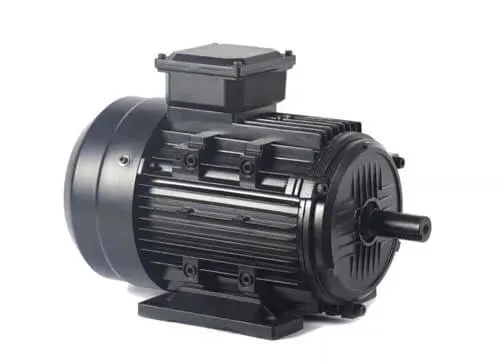
Efficiency: IE5 (93-96%)
Advantages: Highest efficiency, compact size
Typical Use: High-performance blowers
C. AC Induction (TEFC)
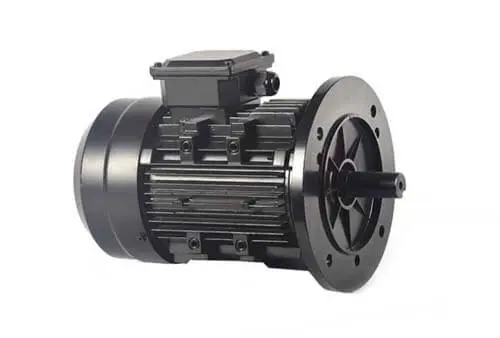
Efficiency: IE3 (88-92%)
Advantages: Robust, low maintenance
Typical Use: Industrial exhaust fans
D. Brushless DC (BLDC)
Efficiency: 85-90%
Advantages: Precise speed control
Typical Use: Small blowers, electronics cooling
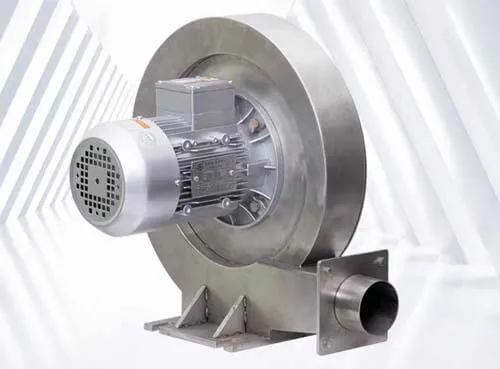
• Fan Laws:
CFM ∝ RPM
Pressure ∝ RPM²
Power ∝ RPM³
• System Curve Analysis: Match motor performance to duct static pressure
• Vibration Limits: <2.5 mm/s (ISO 10816-3 Class B)
• Bearing Systems:
♦ Grease-lubricated (SKF/C&U) for <5,000 hours
♦ Oil-lubricated for >10,000 hours
• Shaft Design: Stainless steel, dynamically balanced
• Starting Torque: 30-150% FLT (depends on fan type)
• Locked Rotor Current: <600% FLC
• Power Factor: >0.9 at full load
(1). Right-Sizing: Match motor to actual load (avoid oversizing)
(2). VFD Installation: 20-60% energy savings in variable flow
(3). Aerodynamic Improvements:
• High-efficiency impellers
• Optimized housing design
(4). Smart Controls:
• Pressure reset algorithms
• Demand-based ventilation
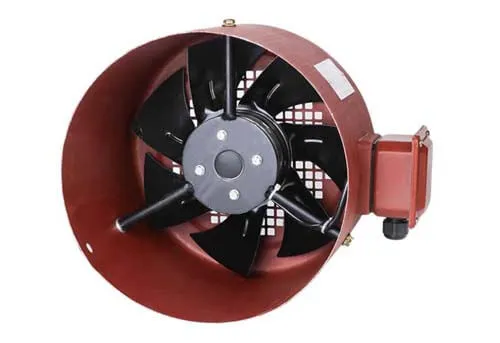
Energy Savings Example:
50HP fan running at 80% speed with VFD:
Power reduction = (1 - 0.8³) = 49% savings
• Basic: Multi-speed taps (3-5 speeds)
• Standard: VFD with PID control
• Advanced:
♦ IoT-enabled smart controllers
♦ Airflow tracking algorithms
♦ Predictive maintenance integration
• Phase loss protection
• Overcurrent (150% for 60 sec)
• Winding temperature monitoring
• Vibration cut-off switches
|
Component |
Inspection |
Replacement |
Lubrication |
|
Bearings |
Quarterly |
3-5 years |
Annually |
|
Windings |
Biannually |
10+ years |
N/A |
|
Couplings |
Monthly |
2-3 years |
Quarterly |
|
Cooling System |
Monthly |
5-7 years |
N/A |
→ Bearing wear (55% of failures)
→ Insulation breakdown (20%)
→ Rotor imbalance (15%)
→ Electrical faults (10%)
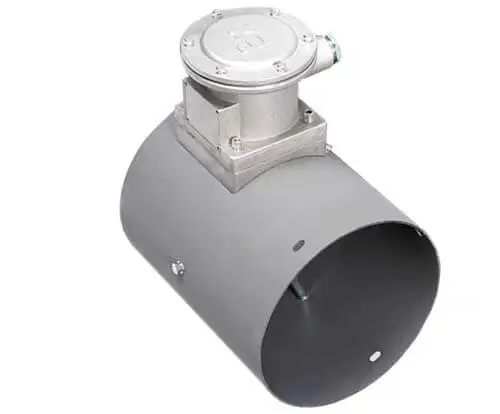
(1). Determine Airflow Requirements (CFM or m³/h)
(2). Calculate System Pressure (in. wg or Pa)
(3). Select Fan Type:
► Centrifugal (high pressure blower)
► Axial (high volume fan)
(4). Calculate Power:
BHP = (CFM × Pressure) / (6,356 × Fan Efficiency)
(5). Choose Motor:
► Add 15% safety factor
► Select technology based on duty cycle
Industry Innovations
⇒ Magnetic Bearing Systems: Maintenance-free operation
⇒ 3D-Printed Impellers: Optimized airflow
⇒ Integrated Motor-Fan Units: Space-saving designs
⇒ AI-Based Optimization: Real-time performance tuning
Total Cost of Ownership (10-year period)
|
Cost Factor |
Standard Motor |
High-Efficiency Motor |
|
Initial Cost |
100% |
120-150% |
|
Energy Cost |
100% |
60-70% |
|
Maintenance |
100% |
80-90% |
Payback Period: 2-4 years for premium efficiency motors
Key Certifications
AMCA 205: Energy efficiency
ISO 14694: Vibration criteria
ATEX: Hazardous areas
UL 1004: Safety standards
ErP Lot 11: EU efficiency regulations
Final Recommendation:
For most commercial applications, specify ECM or PMSM motors with integrated variable speed control for optimal efficiency. Implement condition monitoring to maximize equipment life and minimize downtime.
Need specific motor sizing? Provide:
• Airflow requirements
• System pressure
• Operating hours
• Ambient conditions
This will enable precise motor selection for your blower or fan application.

