An electric motor is a device that converts electrical energy into mechanical motion using electromagnetic principles. It is used in everything from household appliances to industrial machines and electric vehicles.
Key Components:
✔ Stator – Stationary part with coils that create a magnetic field
✔ Rotor – Rotating part that turns due to electromagnetic forces
✔ Commutator/Brushes (in DC motors) – Reverses current to keep the rotor spinning
✔ Bearings – Reduce friction for smooth rotation
✔ Shaft – Transfers mechanical power to the load
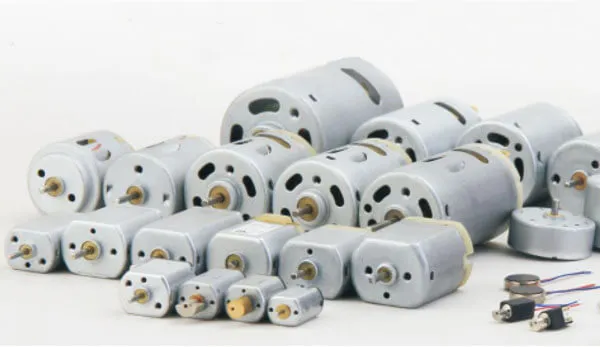
Brushed DC Motors
Simple, cheap, but require maintenance (brush wear)
Used in toys, power tools, and small appliances
More efficient, longer lifespan (no brushes)
Used in drones, EVs, and HVAC systems
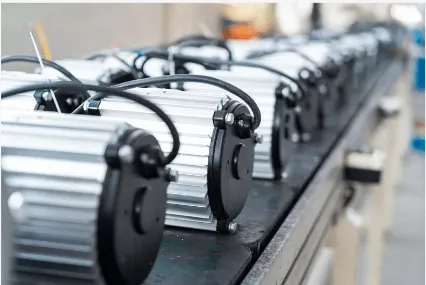
Induction Motors (Asynchronous)
No permanent magnets, robust & low-cost
Used in pumps, fans, and industrial machines
Synchronous Motors (Direct Drive motor)
Fixed speed, high efficiency (used in clocks, robotics)
Permanent Magnet Synchronous Motors (PMSM)
High efficiency, used in EVs and precision machinery
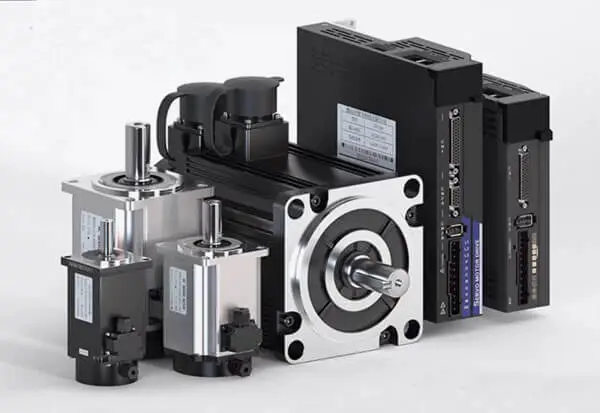
Stepper Motors – Precise control (3D printers, CNC machines)
Servo Motors – Closed-loop control (robotics, automation)
Linear Motors – Produces straight-line motion (maglev trains)
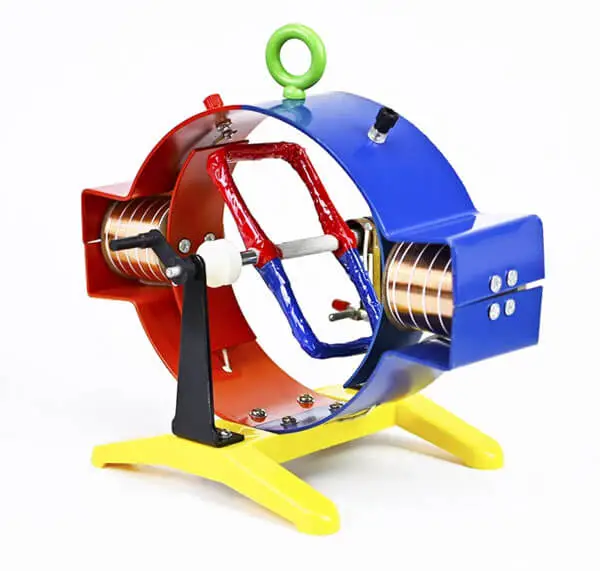
Basic Principle: Electromagnetic Induction
Electric current flows through the stator windings, creating a magnetic field.
The rotor (either with magnets or induced current) interacts with this field, causing rotation.
In DC motors, the commutator reverses current to keep the rotor spinning.
In AC motors, the changing current direction naturally keeps the rotor moving.
Key Physics Concepts:
✔ Fleming’s Left-Hand Rule – Determines force direction in motors
✔ Back EMF – Self-induced voltage that opposes current flow
✔ Torque-Speed Curve – Shows motor performance under load
|
Factor |
Impact |
|
Voltage |
Higher voltage → More speed & torque |
|
Current |
Higher current → More torque (but more heat) |
|
Pole Count |
More poles → Lower speed, higher torque |
|
Cooling |
Better cooling → Longer lifespan |
Efficiency Classes (IE Standards)
IE1 (Standard Efficiency) – ~80%
IE3 (Premium Efficiency) – ~90%
IE5 (Ultra-Premium) – ~95%+
Household: Washing machines, fans, refrigerators
Automotive: EVs, power windows, windshield wipers
Industrial: Conveyor belts, CNC machines, compressors
Robotics: Servo motors for precise movement
✅ More efficient PMSM & BLDC motors (replacing induction motors)
✅ Smart motors with IoT sensors (predictive maintenance)
✅ High-speed motors (for aerospace & medical devices)
✅ Sustainable designs (rare-earth-free magnets)
Electric motors are essential in modern technology, from tiny vibration dc motors in phones to massive industrial drives. Understanding the types, working principles, and efficiency factors helps in selecting the right motor for any application.

